
Comment
US dairy’s $13bn bet on the future
Victor Martino weighs up why dairy processors in the US are betting billions of dollars on new capacity.
Main video credit: Spalnic / Shutterstock.com
The US dairy industry is making a remarkable bet on its future. Dairy processors operating in the US – including industry giants Land O’Lakes, Chobani, Fairlife/Coca-Cola, Danone and others – are, according to new data from the International Dairy Foods Association (IDFA), investing a staggering $13bn in new and expanded manufacturing capacity across 19 states, at a time when much of the food industry is struggling to generate meaningful volume growth.
The scale of the investment – it’s the largest investment wave the dairy industry has seen in the US in decades – raises a basic question: Why are dairy processors willing to bet billions of dollars on new capacity right now? Four key forces help explain why.
There’s more milk
US dairy farmers and the dairy industry are producing more milk and that milk needs somewhere to go. The latest industry projections show continued growth in US milk production over the next several years, creating pressure for additional processing capacity. According to the US-based IDFA, the industry will process 15 billion more pounds of milk by 2030.
This reality makes the investment in new and expanded processing plants partly a matter of infrastructure. If dairy farmers are going to produce more milk – and because of technological improvements they are doing so even with fewer cows than in the past – processors need the capacity to turn that milk into products that can be sold in domestic and global markets.
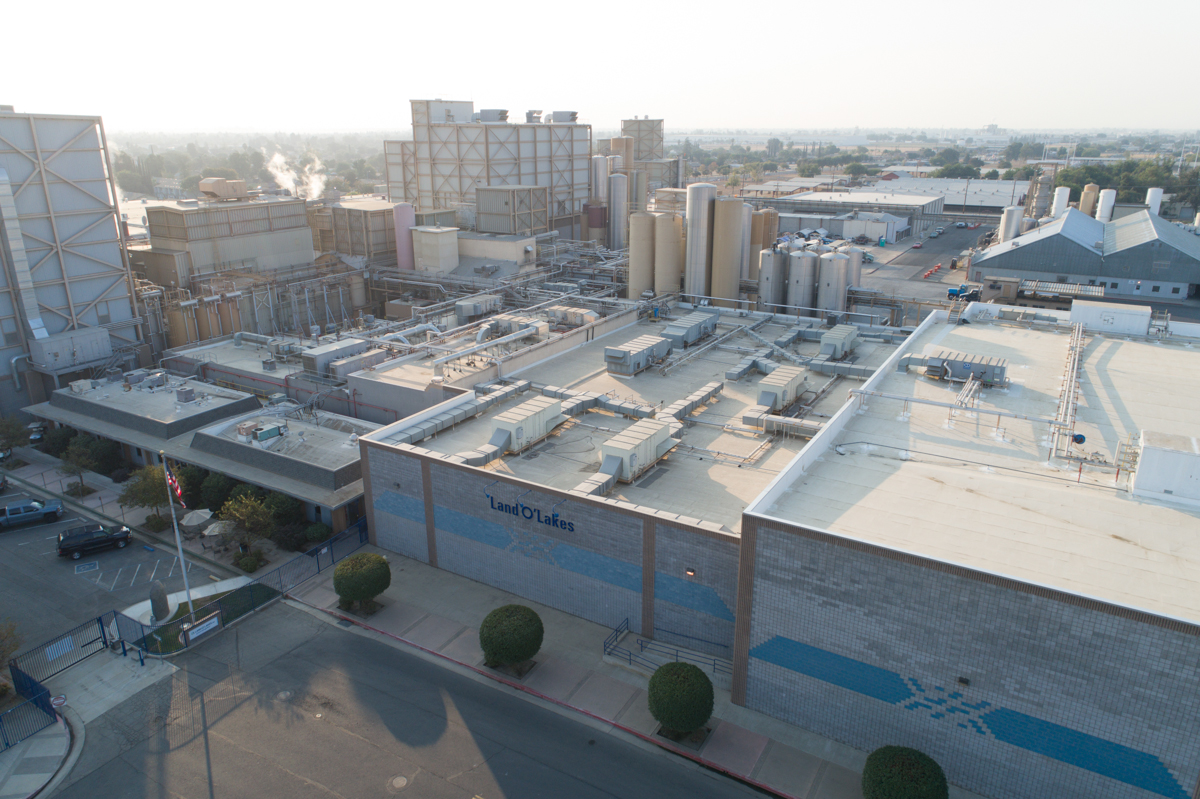
Land O’Lakes is investing in production of dairy ingredients at plant in Tulare, California. Credit: Land O’Lakes
But more milk by itself isn’t sufficient to explain the scale of the investment being made by processors. Building new processing plants and expanding existing facilities are expensive, long-term commitments. Dairy companies aren’t going to spend billions simply because they anticipate added milk volume to enter the system.
More important is what these dairy processors believe the additional milk can become, which brings us to the second – and perhaps most important – force behind the $13bn bet on the future.
Demand for protein
Protein has become one of the most important demand drivers in food in the US market and dairy is particularly well positioned to benefit from this phenomenon.
Milk is a naturally high-quality source of protein. Cheese-making, which is a huge industry in the US today because Americans eat twice as much cheese as they did 50 years ago, also produces whey, which can be processed into valuable protein ingredients. As demand has grown for protein-rich foods and beverages, whey and other dairy proteins have become increasingly important to food manufacturers.

As protein demand grows, so does the market for higher‑value dairy ingredients.
Frank Smith, Founder and CEO of TowHaul
This has changed the economics of dairy processing. In addition to producing cheese, modern cheese plants also capture value from the whey generated during production. The whey is turned into protein concentrates, isolates and other ingredients, sold to food and beverage makers and used in everything from beverages and nutrition products to mainstream consumer packaged foods.
The fast-growing demand for dairy protein creates a powerful rationale for investment. The opportunity is no longer simply to process more milk and produce more cheese but to generate more revenue from every pound of milk. As protein demand grows, so does the market for higher-value dairy ingredients, making billions of dollars in new and expanded processing capacity a more compelling investment.
Changing consumer demand
The third key force is the way US consumers use dairy.
Dairy’s major growth both domestically and globally isn’t coming from fluid milk – although it’s experiencing an upswing in sales in the US – but rather from products consumers perceive as having additional value, particularly protein, nutrition, convenience or functionality.
Greek yogurt and cottage cheese are good examples, as are protein shakes and other high-protein dairy-based beverages. Dairy ingredients, like whey and other protein isolates, are also finding their way into food and beverage products made by companies that aren’t traditionally thought of as dairy companies.
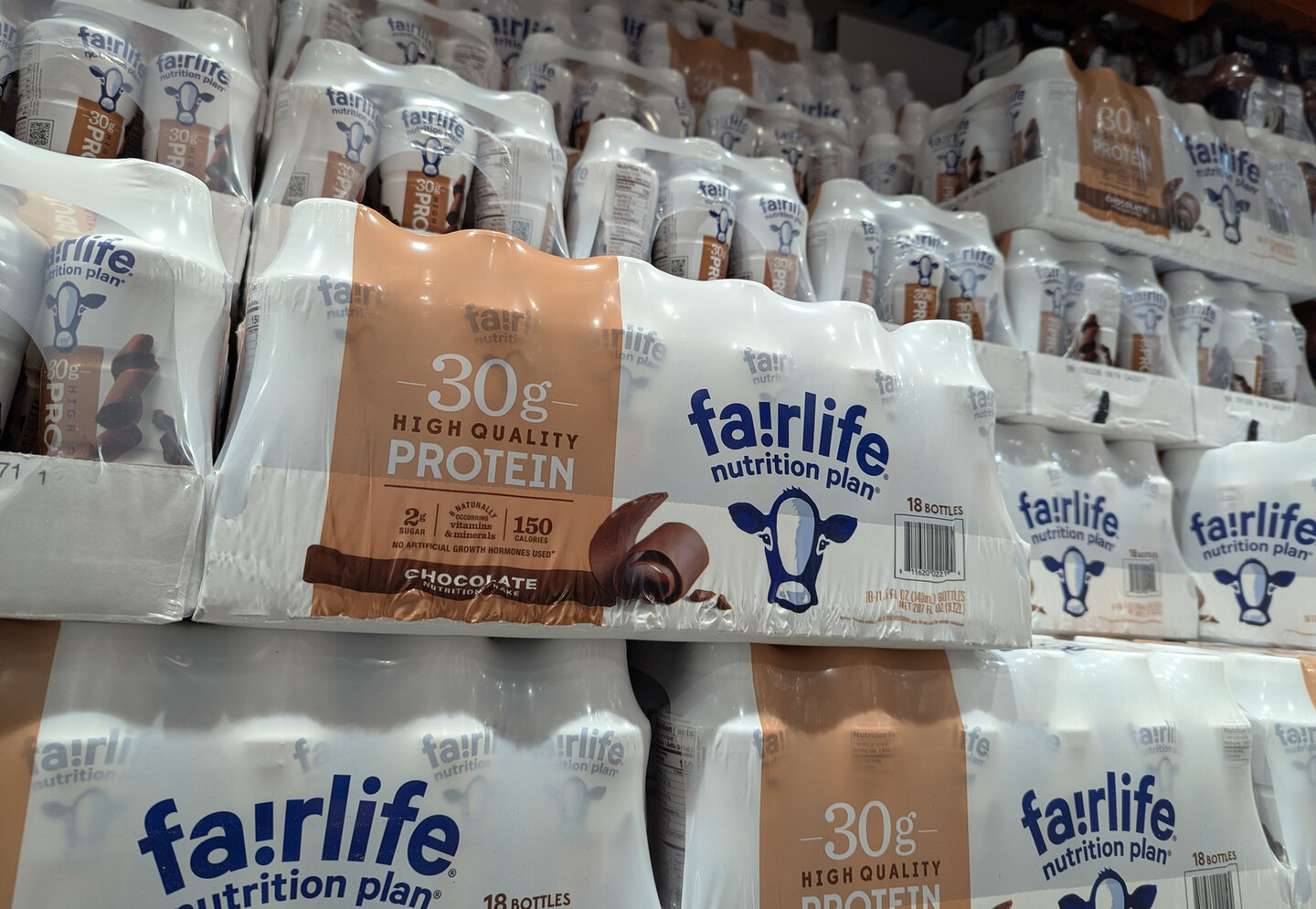
Cases of Fairlife Protein Nutrition Plan on sale at Costco, 11 April 2025. Credit: PJ McDonnell / Shutterstock.com
This is important because it gives processors more outlets for milk. The industry can serve consumers directly by marketing higher-protein dairy products while also supplying other food and beverage manufacturers with dairy proteins and ingredients. This allows dairy processors to participate in the protein economy as both a CPG marketer and as an ingredient supplier, which broadens opportunity considerably.
For dairy processors, this shift in demand creates a broader market for milk. They are not simply investing to produce more of the dairy products consumers have always bought. Instead, processors are investing in where dairy demand is going, with more value coming from products and ingredients built around protein, nutrition and convenience.
Global markets
The fourth force is global.
Dairy processors can no longer rely entirely on US consumers to buy all the milk and dairy products that the industry is capable of producing, as has historically been the case.
Exports have become an increasingly important outlet for US cheese, whey and other dairy ingredients and the dairy industry is betting this demand will continue to grow.
The US dairy industry is building capacity today based on the expectation that demand will continue to grow tomorrow. If domestic and international demand for cheese, dairy products and dairy proteins keeps expanding, the new capacity could prove extremely valuable. If supply grows faster than demand, however, the industry could face excess capacity and pressure on margins.
Global demand is a critical part of the $13bn bet the US dairy industry is placing and will play a key role in determining whether the money being invested in new and expanded processing capacity ultimately pay off.
Will the investment bear fruit?
So, will the $13bn bet pay off? I believe it will, although not without serious challenges.
The forces behind the investment are not short-term trends. US milk production is growing, protein has become a fairly reliable driver of food demand, consumers are continuing to gravitate toward higher value dairy products and ingredients and global markets are creating new outlets for US dairy.
On the other hand, a myriad of potential external forces, ranging from problems in milk production and global trade to changes in consumer purchasing behaviour, could make success much more difficult to achieve.
The biggest near-term risk I see is that processing capacity grows faster than domestic and global demand, putting serious pressure on prices and margins.
The underlying case for the $13bn investment is strong.
Frank Smith, Founder and CEO of TowHaul
However, the underlying case for the $13bn investment is strong. Dairy processors are not betting on one product or one consumer trend. Rather, they are betting on a broader shift toward protein, higher-value dairy products and ingredients. They are investing in where dairy demand seems to be going, not where it has already been. Looking beyond US shores for growth is also a solid long-term strategy.
The significance of the investment goes beyond adding new processing capacity. It signals a US dairy industry preparing for a different kind of growth, focused more on finding higher-value uses for what it produces rather than simply producing more milk.
If the investment delivers as expected, US dairy could emerge more diversified and more sophisticated and better positioned to capture value from some of the most important changes taking place in the food industry. That’s a success that would serve as a good future model for packaged food companies of all kinds.
