Feature
Cook-off: health scrutiny tests seed oil’s dominance
Driven by diet trends and social media, alternative cooking oils are growing in popularity but questions remain about their potential. Simon Harvey reports.
Main video credit: ElevenStudio / Shutterstock.com
The demand for – and availability of – alternative cooking oils is rising but can they challenge the market dominance of seed-based variants?
Seed oils remain a household staple, but alternatives – such as avocado, coconut, beef tallow, ghee, and lard – are gaining traction.
Public perception is being influenced by the negative press surrounding seed oils. Critics argue they are ultra-processed foods. However, the health debate around seed oils has been contested, with some suggesting it’s down to unsubstantiated information on social media.
“There’s absolutely no science to back any of that up. It sounds like stuff that comes from influencers, not people who are valuing the science,” says Eric Decker, a professor at the University of Massachusetts Amherst in the US.
Diet regimes, such as keto, paleo and more recently GLP-1s, are also said to be behind the increasing interest in ‘new’ oils. But there’s also an argument some alternatives are not so good for us after all.
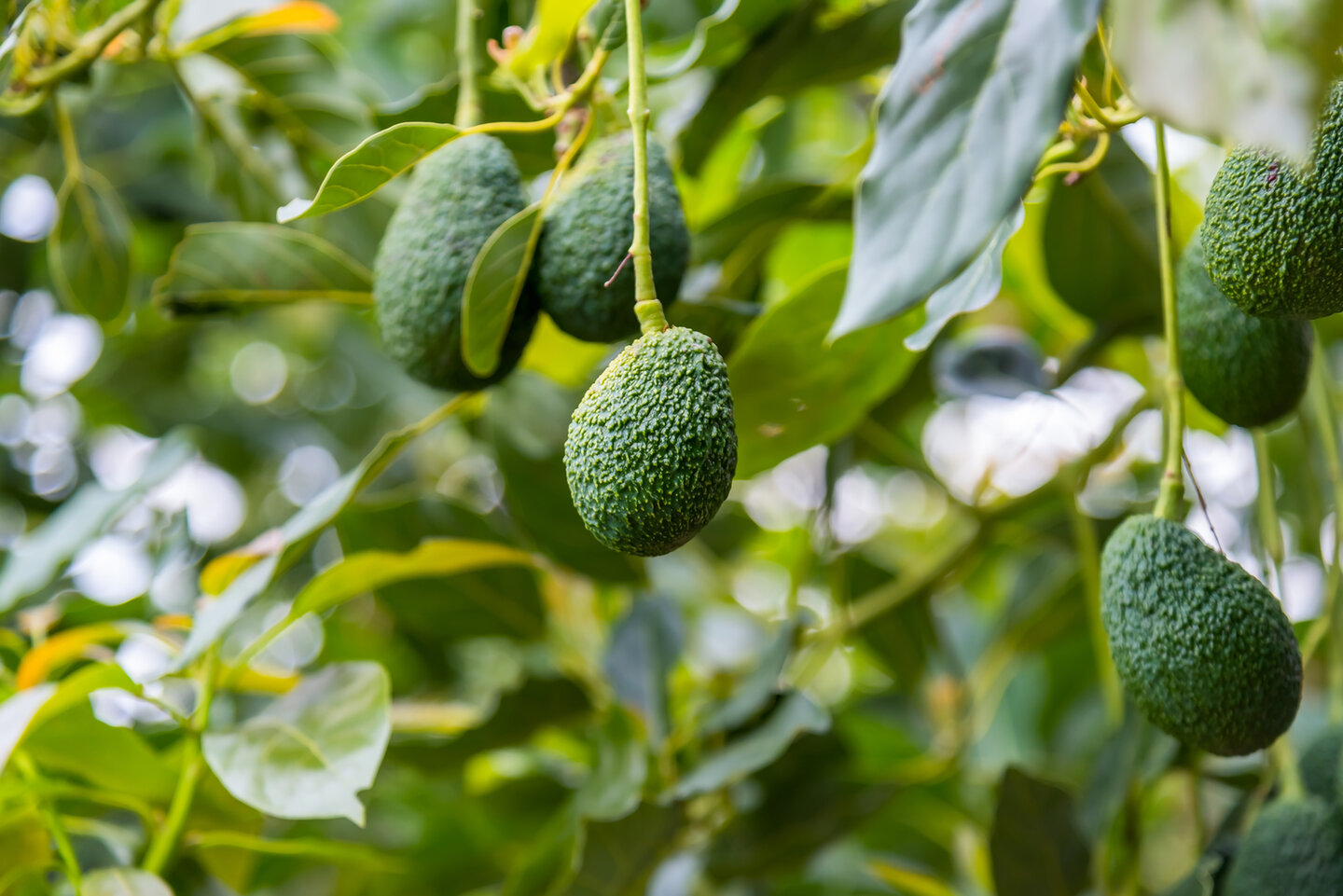
Extra virgin olive oil is certainly the leading alternative, with avocado oil another standout. But price is a barrier for both, mainly due to the availability and supply of the individual fruits.
Differing burning or smoking points are also a consideration, although not necessarily widely understood by consumers. And there’s the residual after taste from olive oil, while avocado tends to have more neutral undertones.
Avocado oil likely has the greatest chance of becoming a fixture in household kitchens but whether it can ever realistically challenge its olive-based counterpart is questionable. Coconut alternatives could well be a viable challenger but with the jury still out on beef tallow, ghee and lard.

Credit: paul saad / Shutterstock.com
Market shift
According to Victor Martino, a food consultant and founder of Third Wave Strategies in the US, olive oil is leading retail sales in North America and commands the dominant market share.
The reason, he argues, is the rising interest in Mediterranean diets and the perceived health benefits, not the negative perceptions around seed-based oils, although that is a contributing factor.
“Avocado oil is the strongest challenger in North America, particularly in the US,” he suggests. “New brands are being introduced regularly and, importantly, nearly every major grocery chain now has a private-label avocado oil, which was something that didn’t exist only a few years ago.”
Beef tallow is on the rise, too, Martino says, mainly because of interest in keto, paleo and carnivore diets but it’s likely to stay a niche proposition as will ghee and lard, which appear set to remain speciality oils in their own right.
“Globally, I think seed oils will retain their popularity but continue to be challenged by olive oil,” he contends. “The anti-seed oil movement is growing globally, while keto, paleo, and ancestral/whole-food diets play a role in this growth.”
He argues the rising interest in alternative cooking oils cannot be ignored by seed-oil producers, some of which are getting in on the olive oil act and even “diversifying” into avocado, ghee and beef tallow.
Avocado oil and authenticity
Marianne Adams at family-owned oils business Adams Group in California, says avocado oil has moved from being a speciality for health-conscious cooks into a home staple in “just a few years” and is now becoming more “mainstream”.
The company produces pure avocado oil, which carries Seed Oil Free Certification and beef tallow. It also supplies coconut oil and the more regular types such as corn, sunflower, canola, soybean and palm.

Our job is to make sure that when someone chooses avocado oil, they actually get 100% avocado oil.
Marianne Adams, Adams Group
Adams cites retail data showing avocado oil is “one of the fastest-growing sub-segments in the oils and shortenings categories”. However, adulterated versions are giving the category a bad press.
“The bigger question for the category is trust. If shoppers keep finding that products aren’t what they claim, that slows everyone down,” Adams adds.
“There’s a real debate about seed oils and we leave the health science to scientists and dietitians. Our job is to make sure that when someone chooses avocado oil, they actually get 100% avocado oil.”
Hank Cardello, an executive for health and prosperity at the Business for Impact Centre at Georgetown University in the US suggests “niche” aptly describes the alternatives.
“Somebody who wants to sell speciality products in this arena, I can see it, homemade, the old way, real taste, whatever but I don’t see it taking over the market by any means. I see avocado being more likely to slide into the mainstream, unlike the other retro oils.”
Credit: Torjrtrx / Shutterstock.com
An “ancestral philosophy”
Amy Moring, co-founder and CEO of UK-based Hunter and Gather, argues the growing popularity of alternative oils is in part influenced by what she calls a “movement going back to ancestral philosophy” linked to health and wellness, and, with a supporting role from social media.
“There’s a concern around inflammation causing joint issues with seed oils and industrially processed oils and there are lifestyle movements, more natural approaches such as keto, paleo, low carb and carnivore diets that kicked off the trend around these new fats,” she suggests. “Whether it’s from a taste perspective or a usability perspective, or they’ve just heard that seed oils are bad.”
As obesity rates rise, people are questioning the links between diet and health, in part spurred by the Covid pandemic, Moring says.
I believe seed oils will be the next tobacco.
Amy Moring, Hunter and Gather
“I’d say it’s not a trend. It’s going back to the status quo, and seed oils were the trend in the sense of flooding the market – it was a mass crop that came after the war. Health is catching up and we’re reverting back to times gone by.
“Seed oils are going to die a death because the research will catch up, the health of individuals will catch up, and we’ll start looking closely at it, and there will be a move back to more traditional fats from a health perspective. I believe seed oils will be the next tobacco.”
The health debate
Decker at the University of Massachusetts Amherst strongly reiterates his view that seed oils aren’t bad for us, while Cardello at the Business for Impact Centre says the “scientific evidence is they are safe”.
Decker says: “When they refine an oil, they get it down in almost a pure triglyceride form. The one criticism you can make is that they’re taking out some positive nutrients but it doesn’t mean the oil is unhealthy.
“For a lot of those oils, they’re the ones that are going to decrease your LDL cholesterol the most.”
Cardello argues seed-derived oils don’t cause ailments like chronic inflammation or major diseases.
I haven’t seen anything negative in the science on seed oils.
Hank Cardello, Georgetown University
“This is the PR getting ahead of the science. I deal with some top-notch academic researchers in the space and they’re just not saying it,” Cardello adds. “A lot of people say Omega-6 fats cause inflammation but you don’t have the random control trials that prove that point.
“I haven’t seen anything negative in the science on seed oils. They’re not Omega-3 oils, which would be the healthiest but Omega-3 oils are tough to deal with, they need to be deodorised and they don’t have good cooking qualities.”
Equally, Satu Jackson, CEO of the British Association for Nutrition and Lifestyle Medicine, says poor health claims around seed oils are “often exaggerated” but how they are used in different cooking applications matters.
“While there is a legitimate reason to consider the oxidation during high-temperature cooking – since polyunsaturated fatty acids such as seed oils are more susceptible to lipid oxidation than monounsaturated and saturated fats – it is unlikely that lipid oxidation becomes an issue in household use,” Jackson explains.
“It is more of a concern in commercial establishments where the oils are heated repeatedly and for prolonged periods, creating oxidation products with potentially adverse vascular and metabolic effects if consumed regularly.”
For Omega-6 polyunsaturated fatty acids, or linoleic acid, found in oils such as sunflower, safflower, corn and soybean, there is no evidence they are highly oxidisable, she adds.
“Transferring this information to human health is more tricky and current dietary advice supports reducing ultra-processed food intake, which provide the highest proportion of seed-oil consumption in Western diets.”

Credit: THANHCHUONGDANG / Shutterstock.com
The European Food Safety Authority told Just Food the agency “does not have a general position on seed-based cooking oils as a category and has not received a mandate to assess, in an integrated manner, all relevant food safety and nutritional aspects of individual edible fats and oils”.
However, the regulator said it assessed the risks to human and animal health associated with erucic acid in food in 2016, explaining: “Erucic acid is a monounsaturated Omega-9 fatty acid found in the oil-rich seeds of plants from the Brassicaceae family, particularly rapeseed and mustard.
“It mainly enters the food chain through the use of rapeseed oil in industrial food processing and, in some countries, home cooking. Animal studies show that the critical effect of chronic exposure to erucic acid is myocardial lipidosis, a temporary and reversible heart condition.”
Moring claims oils like avocado, ghee and olive are “less industrially processed”, while canola or rapeseed – depending on the country – was “historically acutely toxic to humans and it had to be crossbred to not be”.
And the advantage with avocado and olive oil is they are generally cold pressed from the fruit. Decker agrees but with a caveat around avocado oil. “Oils that do have health benefits are oils that are essentially not refined at all, and that would be the cold-pressed oils.
“One of the reasons olive oil is so healthy is it has antioxidants, in addition to a positive fatty acid composition. But when you look at things like avocado and beef tallow, their antioxidant levels are very low, so they don’t have that additional benefit.
“By the time they process avocado oil, the benefits of the fruit are gone. Part of the benefit of the fruit is the fibre but that’s not in the oil.”
The price argument
Then you get into price, where seed oils tend to be the most affordable. “It’s crazy expensive but it has no additional health or cooking benefits,” Decker says of avocado oil. “To me it’s just a fad and I don’t think it’s going to last that long unless they figure out how to bring the price down.
“Tallow is a processed product. I don’t think there’s any evidence that tallow is healthier, if anything, the evidence says it’s less healthy. Avocado oil is really not a lot different than canola oil in terms of the fatty acid composition.”
To me, avocado oil just a fad.
Eric Decker, University of Massachusetts Amherst
Decker, Jackson and Cardello all agree that alternative oils are likely to remain niche, aside from olive oil, with price a particular barrier.
“Olive oil is gaining ever increasing audiences, it is widely available, the public at large generally consider it healthy, and rightly so,” Jackson says. “Extra-virgin olive oil in particular, for its high monounsaturated fat content and polyphenols, is an excellent addition to a healthy diet.”
For Decker, olive oil is the “gold standard of all oils”.
Adams at Adams Group says. “We think shoppers understand you get what you pay for. As the avocado oil category grows and supply scales, we expect prices to become more accessible.”
