Comment
The squeeze on US agriculture is food industry problem
The pressures on US agriculture affect ingredient markets, processing economics and the competitiveness of the American food industry, writes Victor Martino.

Main video credit: StockMediaSeller / Shutterstock.com
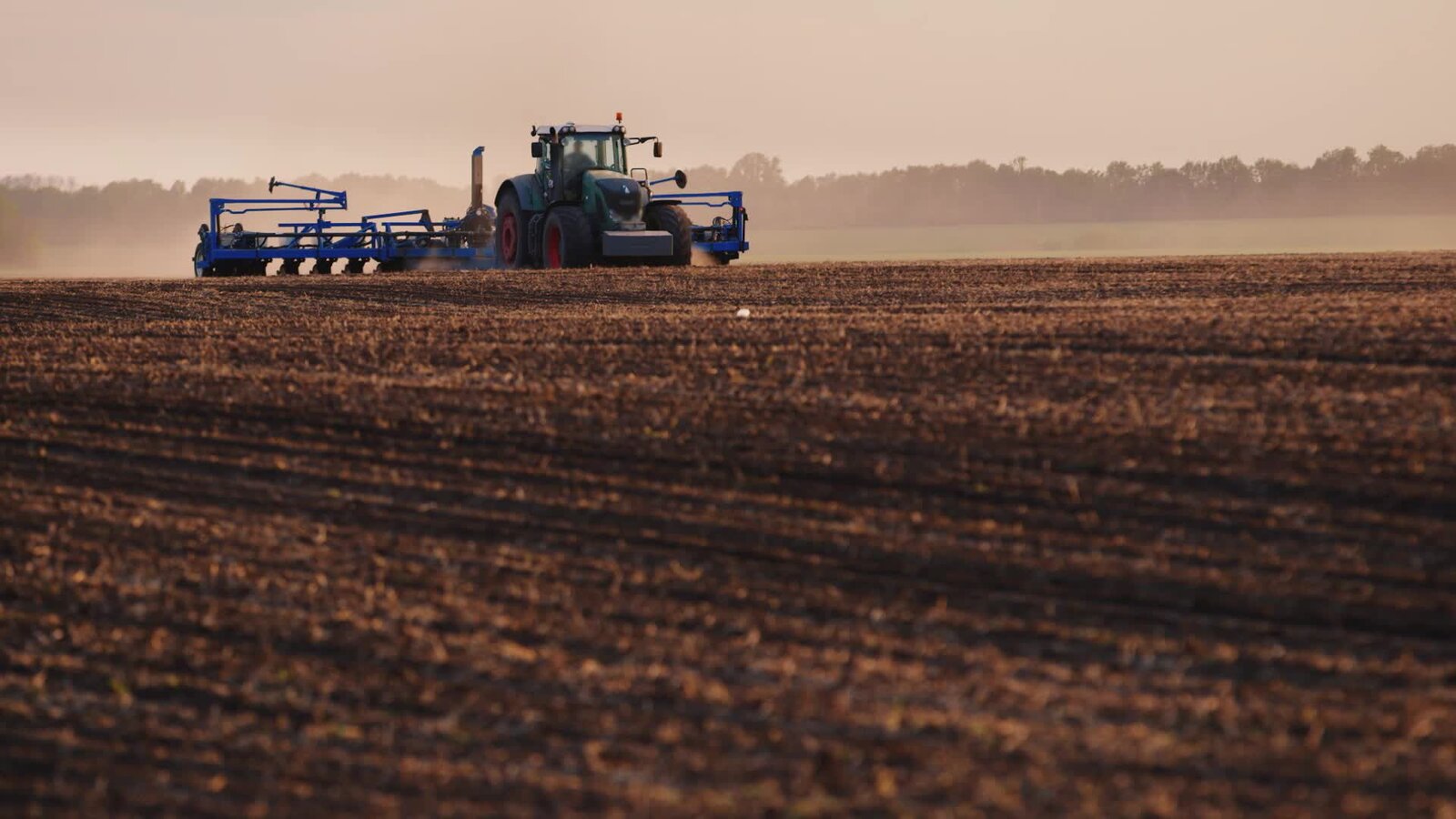
American farmers are under growing financial pressure. Some farmers, economists and farm-policy experts argue it might even become a full-blown crisis like in the 1980s – and the consequences could reach directly into the US food industry.
Rising production costs and weak returns on major crops are squeezing farm margins, while increasing bankruptcies and mounting debt are adding to the strain on farmers. If these conditions get worse, or even persist in their current state, they could change the cost and availability of key agricultural inputs, influence where food companies source raw materials such as imports, for instance, and alter the economics of investment and growth in the US.
The increasing financial pressure on American agriculture is evident in six key indicators.
Farm income is under pressure. The US Department of Agriculture (USDA) is forecasting net farm income of $158.4bn for 2026, a 5.5% decline from last year, after adjusting for inflation. The national figure masks differences among commodities and individual operations, but it points to a significantly less favourable income outlook for producers in the US.
Production costs are rising. USDA forecasts total farm production expenses of $492.8bn, up 4.5% from the previous year. Fertiliser costs are projected to increase 15.3%, while fuel and oil expenses are expected to rise 28.8%, adding to the challenge of maintaining profitable production. Farmers and agricultural economists say these high double-digit increases aren’t sustainable in the long term.
Crop margins remain squeezed. For many US farmers, a serious problem today is the growing gap between the cost of producing a crop and the price it commands in the market. When selling prices fail to cover production costs, farmers have less money available to absorb losses or invest in the next growing season. The severity varies by crop and region. However, more farmers are finding themselves in this position than has been the case in the recent past.
Trade uncertainty threatens market returns. Changes in trade policy – including an unpredictable tariff regime – and access to export markets can disrupt demand for US agricultural commodities. Soybeans illustrate the exposure, given the importance of China as a buyer. Shifts in export demand can also change domestic prices and the competition among food manufacturers, feed producers and other buyers for agricultural supplies.

For food companies, the question is how prolonged financial pressure could change the cost, availability and sourcing of ingredients.
Just Food
Farm debt is increasing. USDA’s September 2026 forecast puts total US farm-sector debt at $605.1bn, up 4.6% from 2025. Although debt must be considered alongside farm assets and income, higher borrowing obligations leave producers with less financial flexibility when margins are tight. This is a cause for real concern.
Farm bankruptcies are rising. Chapter 12 family farm bankruptcy filings in the US reached 315 in 2025, a whopping 46% increase from 2024, according to the American Farm Bureau Federation’s analysis of court data. This data indicates that an increasing number of farm businesses – particularly family farms which still make up the majority of US farms – are struggling to remain financially viable.
Taken together, these indicators point to a financial squeeze that could have lasting consequences for American agriculture. The immediate concern is whether farmers can remain profitable and continue investing in their operations.
The economic tension facing manufacturers
For food companies, however, the bigger question is how prolonged financial pressure could change the cost, availability and sourcing of the agricultural ingredients their businesses depend on.
The financial pressure on American farmers presents food companies with an important economic tension, which is that low crop prices can reduce ingredient costs and support manufacturers’ desired margins. However, when those prices fail to cover the cost of production, they weaken the financial position of the farms that supply the food industry. Therefore, what benefits food manufacturers today can become a risk to future supply.
Farmers facing sustained losses have less money to invest in production and less capacity to absorb another difficult crop season. If that pressure eventually reduces output, ingredient prices could rise, leaving manufacturers to contend with higher costs at a time when consumers may resist further price increases.
The consequences reach beyond purchasing budgets. For example, higher ingredient costs can erode product margins, force changes in pricing and make some products less profitable to produce. The effect will vary by company, depending on its ingredient requirements and ability to pass along higher costs.
Farm financial pressure can also influence what American agriculture produces in the years ahead. When a crop repeatedly delivers inadequate returns – like what is happening for some growers with a number of crops today – farmers may switch to more profitable alternatives, reduce investment or leave farming entirely. Those decisions can change the volume of domestic supply available to food manufacturers.
Credit: ambient_pix / Shutterstock.com
For companies planning to expand an existing product or introduce a new one, reliable ingredient supplies are essential. Consumer demand alone doesn’t determine whether a growth opportunity is commercially viable. Manufacturers also need sufficient raw materials at prices that support profitable production. If domestic output declines or fails to keep pace with demand, securing those ingredients could become more difficult.
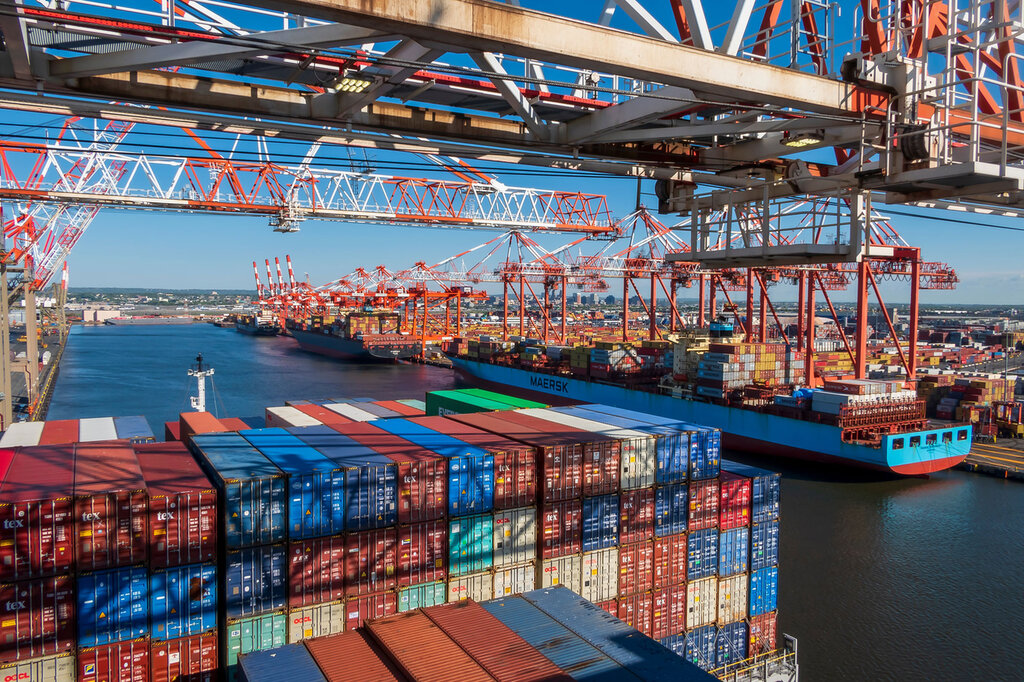
When domestic supply tightens or becomes less competitive on price, imported ingredients may become more attractive.
Just Food
The exposure is not equal across the food industry. Manufacturers using widely available commodities, for example, may have more options than companies dependent on a particular crop or growing region. For the latter, changes in agricultural production can constrain growth even when demand remains strong.
Farm economics can influence not just the cost of making a product, but whether a company can produce more of it.
When domestic supply tightens or becomes less competitive on price, imported ingredients may become more attractive, which is something we’re seeing happening more and more today, particularly in categories like organic foods. But the comparison involves more than the price offered by a foreign supplier. Tariffs, transportation costs and trade disruptions also can quickly change the economics of importing, while uncertainty over trade policy can make sourcing decisions more difficult.
The impact on competition
This can create competitive differences among food manufacturers. Companies with access to multiple reliable suppliers may be better positioned to manage changes in domestic production and global markets. Businesses dependent on a narrow supply base may have fewer alternatives, particularly when ingredients cannot easily be substituted without changing a product.
The broader implication is that the financial health of American agriculture is directly relevant to the competitive economics of the US food industry.
Low crop prices may offer immediate savings, but those savings do not tell the whole story if farm financial pressure eventually affects future production. The food companies best positioned to grow will need to consider not only what ingredients cost today, but how dependable and economically viable their supplies will be over time. That connection makes the financial pressure on American farmers more than an agricultural concern. It is a factor that could influence product profitability, sourcing decisions and growth across the food industry in the US.
The financial pressure on American farmers has consequences beyond the farm. It will influence which crops remain economically viable to produce in the US, where agricultural investment goes and how much domestic supply is available to the food industry. Those shifts will change the competitive economics of food categories, creating advantages for some manufacturers while putting others at a disadvantage.
The issue at hand is not simply whether agricultural ingredients become more expensive. It’s whether American agriculture can continue producing the volume and mix of ingredients the food industry needs to sustain its existing businesses and support future growth. The financial health of American agriculture is therefore inseparable from the long-term competitiveness of the food industry in the US.
