Cover Story
Protein fever fuels innovation
Demand for protein has taken off in recent quarters but, amid the proliferation of products packed with the nutrient, how can brands stand out? Simon Creasey explores.
Main video supplied by Just2shutter/Creatas Video via Getty Images
You can find it in bread, crisps and pasta. You can also find it in snack bars, salad toppings, cottage cheese and a plethora of other food items.
Products packed with protein seem to be omnipresent with foods launched across categories (and markets) leaning heavily on the nutrient amid rising demand. But what’s fuelling this demand and the proliferation of high-protein products? And how are brands trying to differentiate their products in an increasingly crowded marketplace?
Protein per se not enough
The protein trend started in earnest a decade ago with the “gym bros” and has spread to take in more of the general population as people started to believe that proteins were a necessary component of their diet, explains Cyrille Filott, the head of Rabobank’s food and agribusiness practice, says.
“What has compounded it – and this is in the UK more than other European markets at the moment – is the GLP 1 story, where people who are losing weight would also like to continue eating proteins,” he adds. “What we’re seeing is companies are trying to jump on this protein craze by coming up with new products. They are just adding more protein to all sorts of products that are generally somewhat lower in protein.”

Early on, simply adding protein was enough to stand out. That’s no longer the case.
Abinhav Agrawal, AlixPartners
As a growing number of products have hit retailers’ shelves, the market is shifting from “protein as a claim” to “protein as a platform”, believes Abhinav Agrawal, partner and managing director at AlixPartners.
“Early on, simply adding protein was enough to stand out. That’s no longer the case. As it proliferates across more categories, differentiation is shifting to four areas.”
Two of these shifts have already occurred: quality of fit and quality of proposition. As Agrawal explains: “Protein works best where consumers feel there’s a natural permission space – dairy, bars, shakes, cereal, portable snacks. In less intuitive categories, brands need a much clearer benefit story, or they risk looking opportunistic.
“Brands are competing less on whether a product has protein and more on what kind, how much, and for what use case – source, completeness, satiety, performance, weight-management adjacency, and how cleanly it delivers those benefits without wrecking taste or texture.”
Agrawal thinks the “next wave of separation” will be around taste and experience where protein is “becoming table stakes…. and the winners will be the ones pairing it with familiar brand equities”. After that, Agrawal sees greater segmentation occurring with the protein space split into “distinct lanes” such as performance nutrition, everyday wellness, weight management and “family convenience”.
Among the protein-packed products hitting the market in recent months, it’s clear some have fared better than others due to a number of different factors.
“The brands winning with protein are those that either build on naturally credible formats (e.g. dairy, eggs, legumes) or embed protein into high-frequency, habitual occasions like breakfast, snacking and convenience meals, where the benefit – primarily satiety and sustained energy – is clear and relevant,” says Kristin Graham, partner at L.E.K Consulting.
“Success depends on protein feeling like a logical, authentic part of the product, with no compromise on taste or texture, rather than an artificial add-on. As a result, protein enhancement works best where it supports everyday nutrition and repeats consumption. Protein enhancement is less credible in categories where it lacks a natural fit or clear functional role, such as indulgent treats or heavily fortified products, where it can feel like a marketing add-on rather than a meaningful consumer benefit.”
Milking demand
One of the main category areas where higher protein products naturally feel more credible is dairy. A spokesperson for Danone says “high protein … is the number one growth driver of the company”, adding the French giant has identified growing demand for protein-rich, nutrient-dense products presents is “one of the most enduring growth opportunities in the food industry and we are seizing this opportunity”.
Rival dairy major Arla Foods has enjoyed success with its Arla Protein range, which recorded sales growth of 19.5% in 2025 compared with the previous year. The company expects this performance to continue in 2026 with more product launches already in the pipeline.
An Arla spokesperson says the co-op is “investing significantly” in what is “a key area” for the business. “We want to build on the great success of the Arla Protein range and expand the range to meet consumer demand.”
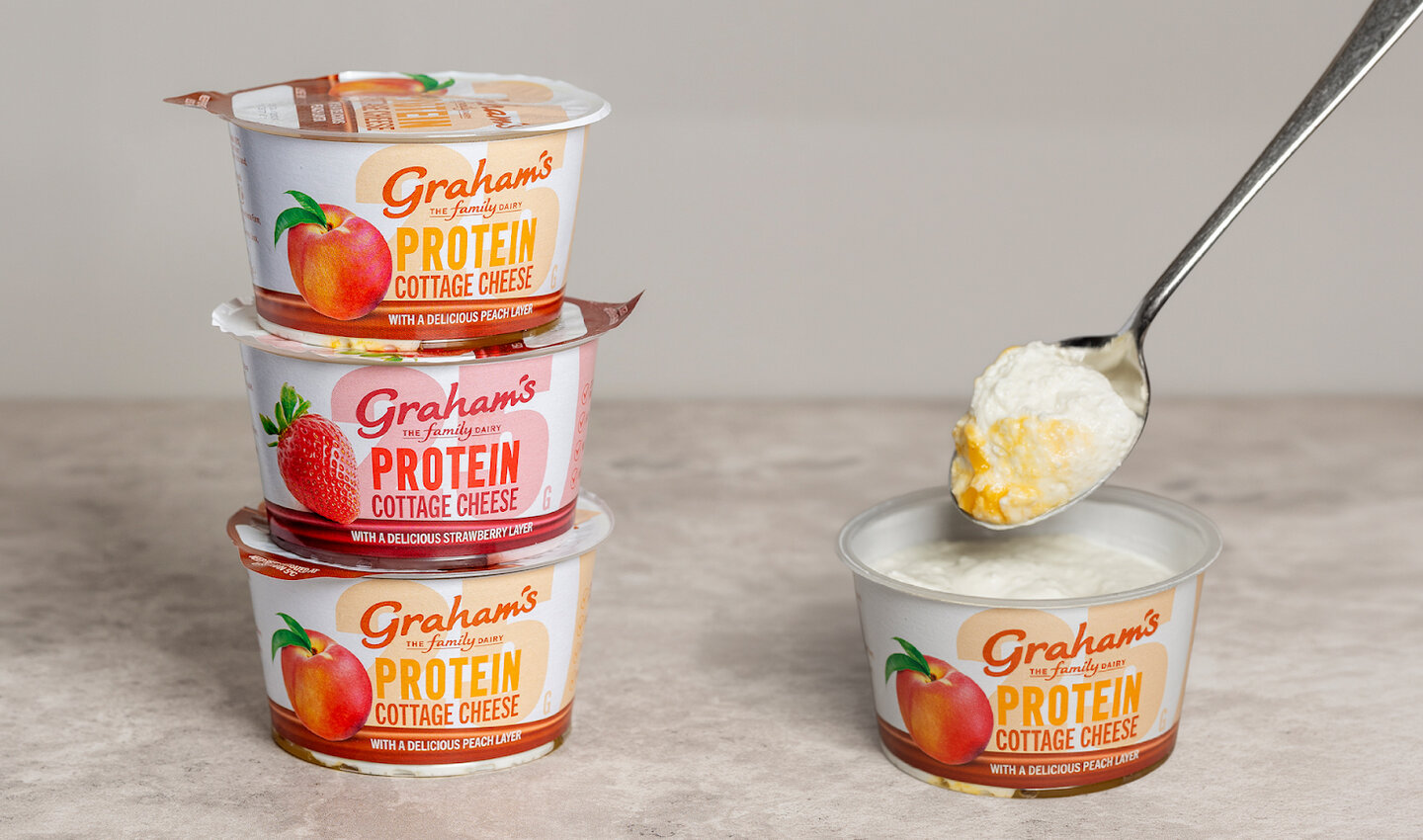
It’s a similar story at UK business Graham’s Family Dairy. The company’s cottage cheese sales have jumped nearly 30% year-on-year and protein now accounting for more than a quarter of the business.
The company, which recently launched a higher protein layered cottage cheese, expects that growth to accelerate further into 2026, managing director Robert Graham says.
“We launched our layered range in direct response to growing demand from both consumers and retailers looking for convenient, minimally processed dairy products that are naturally high in protein,” he explains. “A key driver of that growth has been health-conscious consumers looking to up their protein. Gen Z have played an important part too, driving huge trends on TikTok and other social media platforms by showing how versatile the product can be in healthy recipes and nutritious snacks.”
Caption. Credit:
Away from dairy
It’s not just dairy brands that are trying to capitalise on the protein craze. In the US, Mondelez International-owned Perfect Snacks launched its Protein + Prebiotics refrigerated protein bar earlier this year targeted at individuals who want a “convenient, great-tasting” source of protein.
“More and more consumers are prioritising protein in their everyday routines, while also recognising the importance of prebiotic fibre for helping with digestion,” Perfect Snacks CEO Cara Liebrock says. “At Perfect Snacks, we noticed that many high-protein bars on the market relied on ingredients that were unrecognisable to consumers. We set out to prove it was possible to create a high-protein bar made with simple ingredients, without compromising on the quality, taste, freshness, and nutrition standards that define Perfect Bars.”
Rather than cutting out the comfort foods they love, people are upgrading them.
Flavia Garzia, Garofalo Pasta
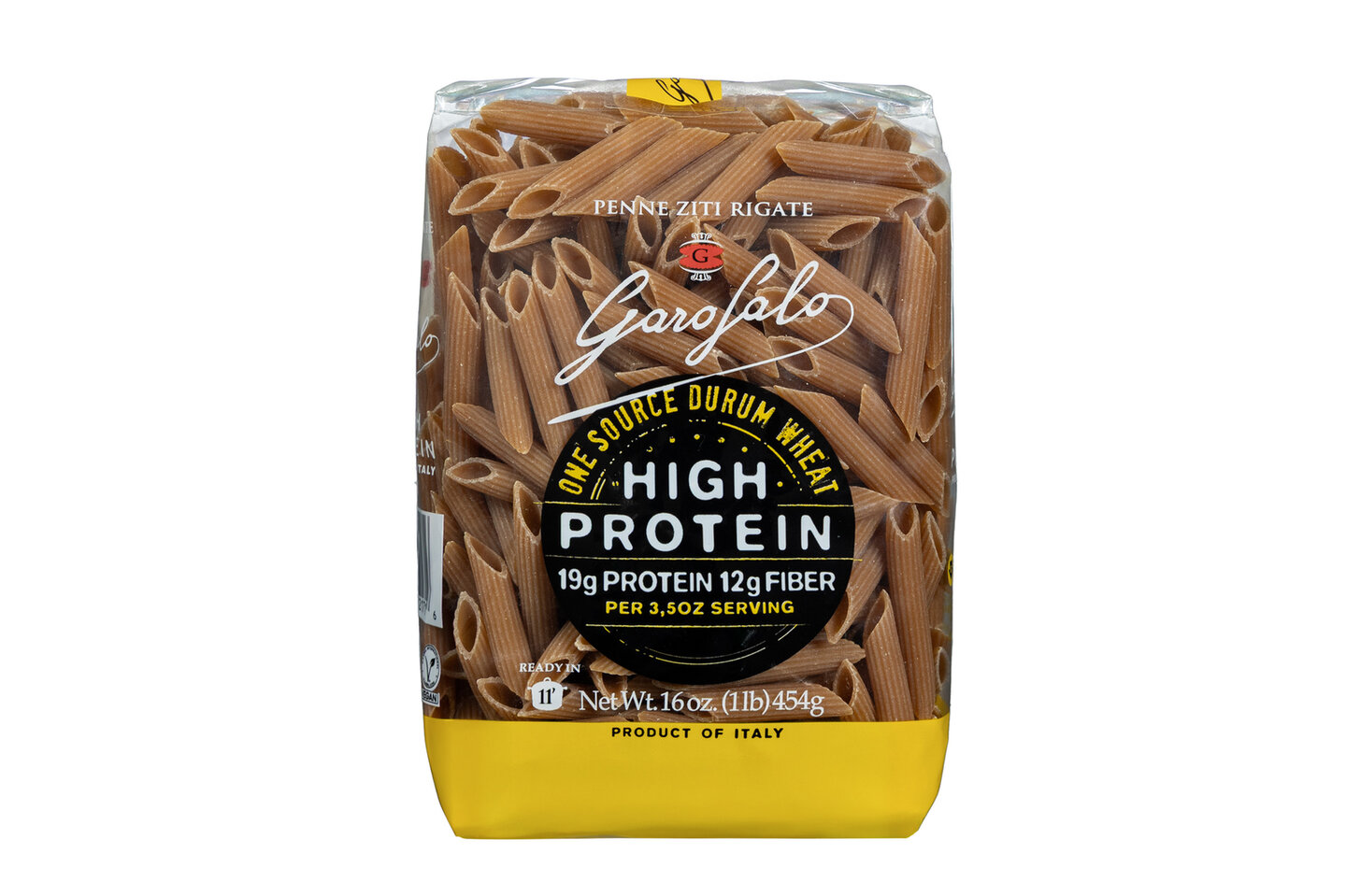
This trend of consumers looking for foods that not only satisfy cravings but also deliver lasting nourishment to help fuel their day, is something Garofalo Pasta is looking to tap into following the launch of a high-protein pasta in the US.
“Rather than cutting out the comfort foods they love, people are upgrading them,” says Flavia Garzia, marketing director and new business development at Garofalo Pasta USA. “Adding protein is a simple, approachable way to make traditional ‘guilty pleasures’ more balanced and functional.
“That said, not all high-protein options deliver on taste and texture. We’ve focused on ensuring that added nutrition doesn’t come at the expense of the experience. Using a unique milling process that captures the most nutritious parts of the wheat, our high protein pasta delivers more protein and fibre with no additives, while maintaining the authentic taste and texture of traditional Italian pasta.”
Caption. Credit:
In a similar vein, US fresh-produce supplier Taylor Farms has been working on different ways of introducing more protein into its salads and snacks. Earlier this year, the company launched a ‘protein-forward’ product line.
"That meant formulating dressings and dips with whey protein, increasing cheese amounts and selecting crunchy toppings and produce that naturally contribute protein and fibre, like spinach,” says Charis Neves, vice president of product and innovation at Taylor Farms.
"Flavour is always our priority. With the initial launch now in market, we see this platform as a foundation we can continue to build on as we develop future high protein innovations.”
Smaller brands flex muscles
The rush of protein-packed foods has, of course, not just been driven by the major food groups. Smaller brands have carved out footholds.
Ireland-based Purepower Nutrition, formed in 2017, has been “leading the charge for a high protein diet”, says director Brendan Dixon.
“Our offering spans chilled, prepared, high-protein meals, protein pancakes, cookies, yogurt, protein pots and a large sports and health food supplement offering and we are constantly developing a wider range of products in other food categories,” he says. “We believe our consumers are more educated on health and the importance of a balanced high protein diet than ever before. Furthermore, the rise in GLP-1 weight loss management treatments are driving further demand in the sector.”
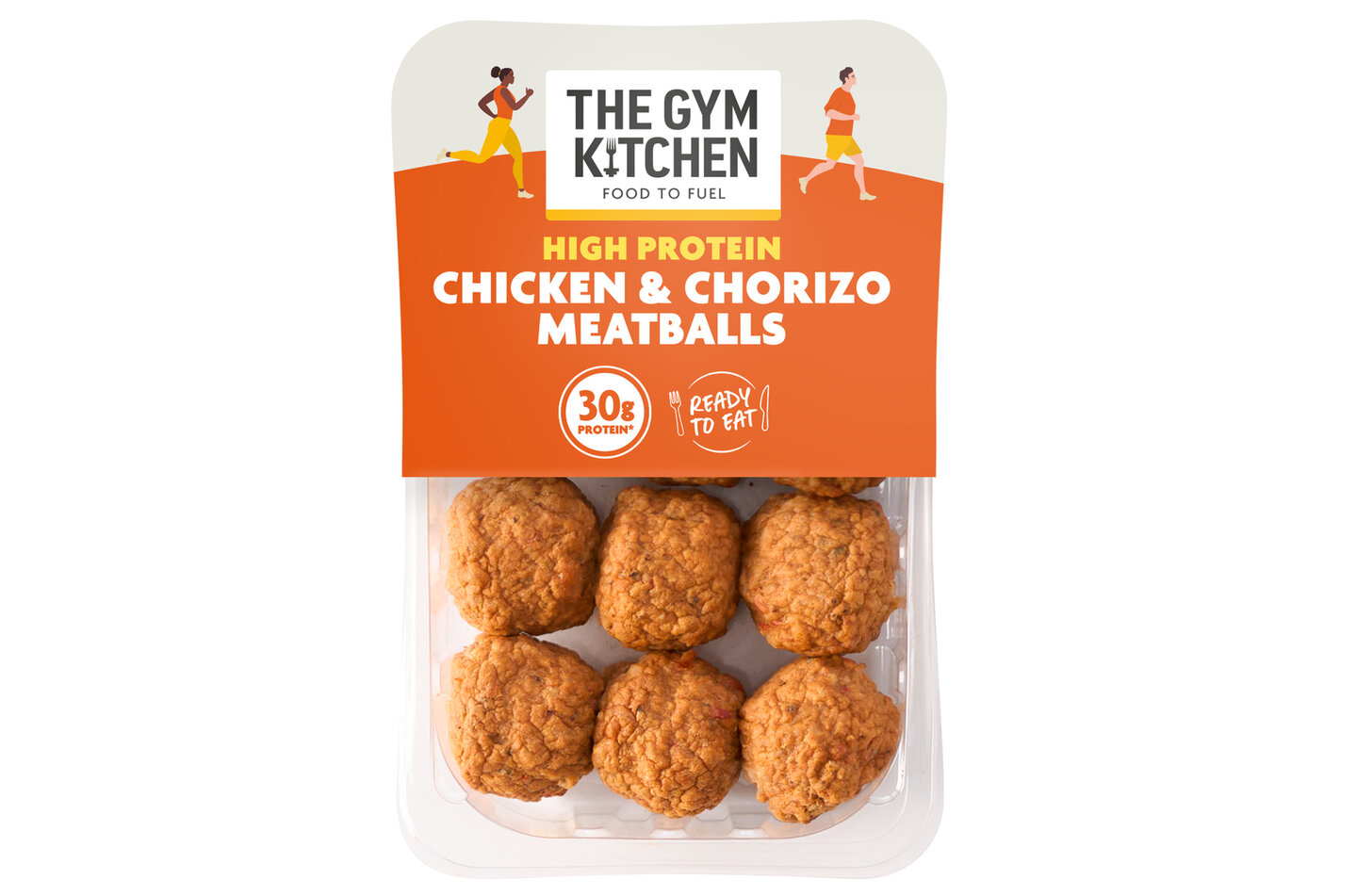
Like Purepower, UK-based The Gym Kitchen is constantly innovating and releasing new products to market. The company recently launched a ready-to-eat meat range, which offers a “quick and versatile way to boost protein intake across meals and snacks”.
“Importantly, the range is helping us reach new and emerging consumer groups, including more hardcore protein consumers and those using GLP-1 medications,” says Segun Akinwoleola, founder of The Gym Kitchen.
We’re seeing increasing interest in broader nutritional benefits and multi-solution products.
Segun Akinwoleola, The Gym Kitchen
“As consumer interest in protein continues to grow, we see a clear opportunity to further develop ranges that deliver even higher protein content in a way that still feels accessible and enjoyable. Our Bigger Portions, More Protein chilled meals range has been designed to appeal to more dedicated, high-protein consumers and we’ve seen strong engagement from that audience. It reinforces the demand for products that go beyond standard protein offerings.
“At the same time, we’re seeing increasing interest in broader nutritional benefits and multi-solution products, particularly where protein is paired with added functional benefits such as fibre. As a result, our innovation pipeline isn’t just focused on ‘more protein’ in isolation but on delivering well-rounded, functional nutrition that aligns with evolving consumer needs, without ever compromising on taste or convenience.”
Caption. Credit:
The high – or higher protein – category is rapidly evolving and companies are adapting different approaches with varying degrees of success.
As Agrawal explains: “Some larger players are pushing protein into mainstream snack and beverage occasions, pairing it with convenience, lower sugar, or broader functional benefits. Others are leaning into portable, protein-forward formats built around trusted centre-of-plate credentials. And ingredient, flavour, and manufacturing players are positioning around faster innovation, customised formats, and better-for-you architectures.
“Taken together, the question is no longer ‘can we add protein?’ It’s ‘can we make the protein story believable, differentiated and worth paying for?”
This is the question that all manufacturers are currently trying to get to grips with.
